
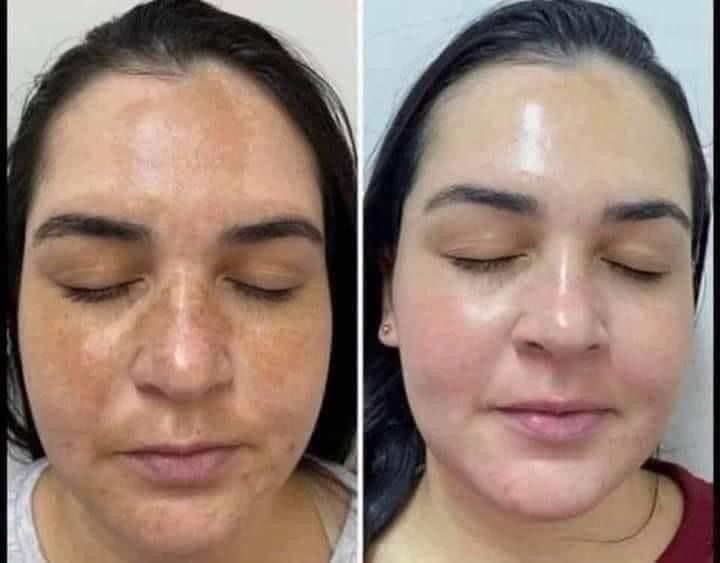
Skin pigmentation is one of the most common concerns affecting people of all ages. Whether it appears as dark spots, melasma, post-acne marks, freckles, or uneven skin tone, pigmentation can impact confidence and overall skin appearance. While countless creams and home remedies promise quick results, treating pigmentation successfully requires understanding its cause and choosing the right dermatologist.
If you are searching for the best doctor for pigmentation treatment in Anna Nagar, this comprehensive guide will help you understand the different types of pigmentation, available treatments, and what to look for before choosing a skin specialist.
Pigmentation refers to the color of your skin, which is determined by a natural pigment called melanin. When melanin production becomes excessive or uneven, dark patches or discoloration develop on the skin.
Pigmentation may appear gradually or suddenly and can affect the face, neck, hands, shoulders, and other exposed areas of the body.
Understanding the type of pigmentation is the first step toward selecting the right treatment.
Melasma appears as symmetrical brown or gray patches, commonly on the cheeks, forehead, upper lip, and chin. It is more common in women and is often triggered by:
These dark marks develop after skin inflammation caused by:
Unlike melasma, PIH usually fades gradually with appropriate treatment.
Years of UV exposure can lead to sunspots, especially on the face and hands. These are commonly seen in adults over 35 but may occur earlier due to excessive sun exposure.
Freckles are tiny brown spots that become darker after sun exposure and are often hereditary.
Several factors contribute to pigmentation:
Identifying the exact cause helps doctors recommend the most effective treatment plan.
Although mild pigmentation may improve with skincare, professional consultation becomes important when:
Early treatment often produces faster and better outcomes.
Natural remedies like lemon juice, baking soda, turmeric, toothpaste, or vinegar are popular online but rarely treat pigmentation effectively.
Some home remedies may even cause:
Professional diagnosis is always safer than experimenting with unverified treatments.
Pigmentation is not a single condition.
For example:
An experienced dermatologist evaluates:
Only after proper assessment can the right treatment be selected.
Dermatology has advanced significantly, offering treatments that target pigmentation safely and effectively.
Prescription creams containing dermatologist-approved ingredients may help regulate melanin production and gradually improve skin tone.
Chemical peels gently exfoliate damaged skin layers, revealing brighter and healthier skin over time.
Benefits include:
Laser technology precisely targets excess melanin without affecting surrounding tissues.
Laser treatment may be recommended for:
Some patients benefit from combination treatments involving:
Combination therapy often delivers better long-term results than relying on a single procedure.
Even the most advanced pigmentation treatment cannot succeed without proper sun protection.
Dermatologists recommend:
Consistent sunscreen use prevents recurrence and protects treatment results.
Healthy lifestyle habits complement professional treatment.
Well-hydrated skin maintains a healthier barrier and supports overall skin function.
Include:
These foods support healthy skin from within.
Squeezing acne significantly increases the risk of post-inflammatory pigmentation.
Using dermatologist-recommended products consistently improves treatment outcomes.
Selecting a dermatologist is one of the most important decisions in your skincare journey.
Look for:
Avoid choosing treatments solely based on advertisements or social media trends.
A consultation is the perfect opportunity to understand your skin better.
Consider asking:
A knowledgeable dermatologist will explain the treatment plan clearly.
Pigmentation treatment requires patience.
Depending on the condition, noticeable improvement may take several weeks or months.
Results depend on:
Following your dermatologist’s advice improves the likelihood of achieving long-lasting results.
Reality: Most pigmentation improves gradually with consistent treatment.
Reality: Many cosmetic creams only temporarily brighten the skin and do not address the underlying cause.
Reality: Some patients require multiple sessions depending on the depth and severity of pigmentation.
Reality: Without sunscreen and maintenance, pigmentation can recur.
Prevention is as important as treatment.
Simple preventive measures include:
These habits help preserve clearer, healthier skin.
Every person’s skin is unique. What works for one individual may not work for another. Professional evaluation helps identify the underlying cause of pigmentation and allows treatment to be tailored to your specific skin type and concerns. This personalized approach improves safety, effectiveness, and long-term results while reducing the risk of complications.
Finding the best doctor for pigmentation treatment in Anna Nagar is the first step toward achieving healthier, more even-toned skin. Professional diagnosis, evidence-based treatments, and consistent skincare can significantly improve pigmentation while helping prevent its recurrence.
At Skin Vista, patients receive individualized skin assessments and scientifically guided treatment plans designed to address different types of pigmentation with a focus on safety, effectiveness, and long-term skin health. Whether your concern is melasma, acne marks, sunspots, or uneven skin tone, consulting experienced dermatology professionals can help you make informed decisions about your skin.
If you are looking for the best doctor for pigmentation treatment in Anna Nagar, choosing a trusted dermatology clinic with experienced specialists and advanced treatment options can make all the difference in your journey to clearer, healthier skin. Skin Vista is committed to helping patients achieve naturally radiant skin through personalized care, modern technology, and expert dermatological guidance.
WhatsApp Us