
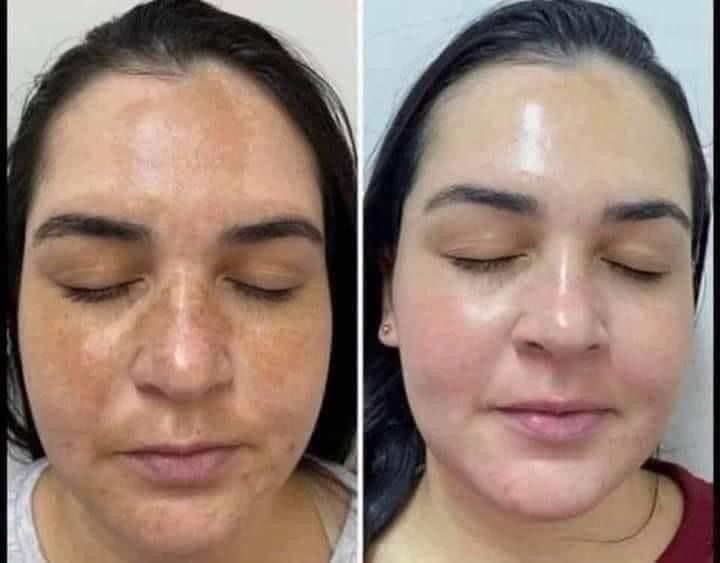
Skin Vista is dedicated to providing advanced dermatological care for individuals struggling with pigmentation concerns and uneven skin tone. If you are searching for the Best Melasma Treatment in Anna Nagar near Anna Nagar Chennai, understanding melasma, its causes, and available treatment options can help you make informed decisions about your skin health.
Melasma is a common skin condition characterized by brown, gray-brown, or dark patches that appear on the skin, most commonly on the face. It typically affects areas that receive frequent sun exposure, such as:
Although melasma is not harmful or contagious, it can significantly affect a person’s confidence and quality of life. The condition is more commonly seen in women, especially during pregnancy, but it can affect men as well.
Melasma develops when pigment-producing cells called melanocytes become overactive and produce excess melanin. Several factors can contribute to this process.
Ultraviolet (UV) rays are among the most common triggers for melasma. Even short periods of sun exposure can stimulate melanocytes, worsening existing pigmentation.
Hormonal fluctuations are strongly linked to melasma. This is why the condition is frequently seen during pregnancy and among individuals using hormonal medications.
A family history of melasma may increase the likelihood of developing the condition.
Not only sunlight but also heat and certain forms of visible light can contribute to pigmentation changes in susceptible individuals.
Improper skincare products or harsh cosmetic treatments may aggravate melasma in some cases.
Melasma typically presents as:
The pigmentation may become more noticeable during sunny seasons and improve slightly during periods of reduced sun exposure.
Understanding the type of melasma is important because treatment response can vary.
Pigment is located in the upper layers of the skin. This type generally responds better to treatment.
Pigment is located deeper within the skin. Treatment may take longer and require a comprehensive approach.
A dermatologist typically diagnoses melasma through a detailed skin examination. The assessment may include:
An accurate diagnosis helps determine the most appropriate treatment strategy.
Many people assume melasma is only a cosmetic concern and delay seeking professional care. However, early intervention often leads to better outcomes.
Benefits of early treatment include:
Addressing melasma promptly can make treatment more effective and manageable.
Modern dermatology offers several approaches to managing melasma. Treatment plans are usually customized based on the severity, depth, and duration of pigmentation.
Dermatologist-prescribed skincare products may help regulate pigment production and improve skin tone over time.
These products may focus on:
Consistency is essential for achieving noticeable improvements.
Chemical peels involve the application of specialized solutions that gently exfoliate the skin and promote cell turnover.
Potential benefits include:
Peels are typically selected according to the patient’s skin type and pigmentation pattern.
Advanced laser technologies can target excess pigmentation while minimizing damage to surrounding tissue.
Laser treatment may help:
Because melasma can be sensitive, laser treatment must be performed carefully under professional supervision.
Microneedling stimulates skin renewal and may be incorporated into certain melasma treatment plans when appropriate.
Benefits may include:
Many dermatologists achieve the best outcomes by combining multiple treatment methods rather than relying on a single approach.
A combination plan may include:
One of the most important aspects of melasma management is protecting the skin from sunlight.
Even the most advanced treatments may produce limited results if sun exposure continues unchecked.
Consistent sun protection plays a major role in preventing recurrence.
This is one of the most frequently asked questions by patients.
Melasma is often considered a chronic condition, meaning it can recur even after successful treatment. However, with proper management, significant improvement can be achieved and maintained.
The goal of treatment is typically to:
Long-term maintenance is often necessary for sustained results.
While professional treatments are important, healthy daily habits can also contribute to better skin outcomes.
Using dermatologist-recommended products regularly helps support treatment goals.
Sunlight, heat, and pollution may contribute to pigmentation changes.
Healthy hydration supports overall skin function and appearance.
Stress can influence hormonal balance and may indirectly affect certain skin conditions.
Regular follow-up appointments allow treatment plans to be adjusted according to progress.
Most individuals experiencing persistent facial pigmentation can benefit from professional evaluation.
You may be a candidate if you have:
A dermatologist can assess your condition and recommend the most suitable approach.
Results vary based on factors such as:
Many patients notice gradual improvements in:
Because melasma develops over time, meaningful improvement often requires patience and ongoing care.
Melasma can be complex and difficult to manage without expert guidance. Professional dermatologists understand the unique factors that contribute to pigmentation disorders and can develop personalized treatment plans.
Professional care offers:
Attempting self-treatment without proper evaluation may delay improvement or worsen pigmentation.
Melasma is a common yet challenging pigmentation condition that requires a comprehensive and personalized approach. Understanding its causes, triggers, and treatment options empowers patients to take proactive steps toward healthier, more even-toned skin. From medical skincare and chemical peels to advanced laser procedures and preventive care, modern dermatology provides multiple solutions to help manage this condition effectively.
At Skin Vista, experienced dermatology professionals focus on delivering individualized care tailored to each patient’s unique skin concerns. If you are looking for the Best Melasma Treatment in Anna Nagar near Anna Nagar Chennai, professional evaluation and a customized treatment strategy can help you achieve clearer, brighter, and healthier-looking skin while minimizing the risk of recurrence.
WhatsApp Us