
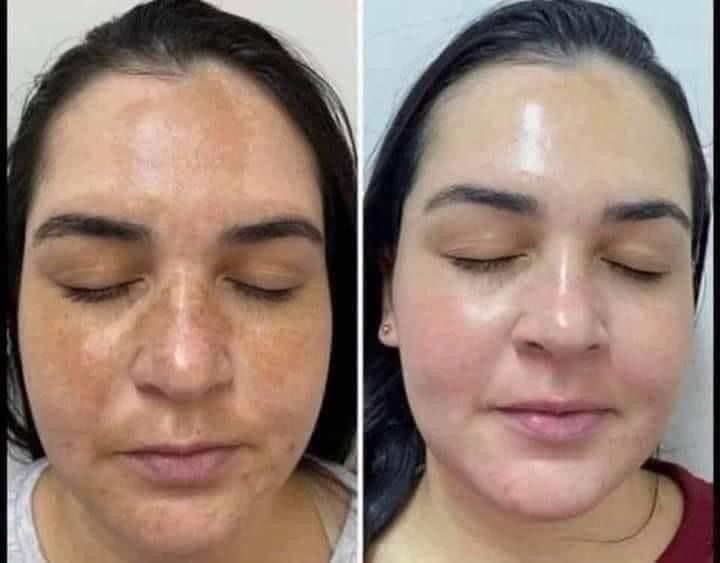
Acne Scar Treatment In Anna Nagar is an important consideration for people who continue to experience marks, uneven skin texture, and pigmentation even after their acne has healed. Acne is one of the most common skin concerns, but the scars left behind can sometimes remain for months or years. With the right diagnosis and treatment approach, the appearance of acne scars can often be improved significantly.
At Skin Vista, understanding the type and severity of acne scars is an important first step toward selecting an appropriate treatment plan. This guide explains why acne scars develop, the different types of scars, available treatment options, prevention methods, and what you should consider before beginning treatment
Acne scars are changes in the skin that remain after an acne lesion has healed. They can develop when inflammation from acne damages the deeper layers of the skin and affects collagen production during the healing process.
Not every mark left after acne is a true scar. Some are temporary discolorations that gradually fade, while others involve changes in the skin’s texture.
Acne-related marks can generally be divided into:
Identifying the type of scar is essential because different concerns require different treatment approaches.
Acne scars can develop due to several factors. Severe or inflammatory acne has a greater tendency to cause permanent changes in the skin.
Common contributing factors include:
Picking or squeezing acne can increase inflammation and damage surrounding skin, increasing the risk of persistent marks and scars.
Understanding the type of acne scar helps determine which treatment may be appropriate.
Ice pick scars are narrow, deep depressions that extend into the skin. They may appear as small but noticeable openings and can be challenging to treat with basic skincare alone.
Boxcar scars are wider depressions with relatively defined edges. They can vary in depth and are commonly found on the cheeks and temples.
Rolling scars create an uneven, wavy appearance because of changes beneath the skin. They may become more visible under certain lighting conditions.
Unlike depressed scars, hypertrophic scars are raised above the surrounding skin. They develop when excess collagen is produced during healing.
Dark or brown marks after acne are often pigmentation rather than permanent scarring. They may gradually improve with appropriate skincare and treatment.
This distinction is important.
Acne marks generally refer to changes in skin color that occur after pimples heal. They can fade over time with proper skincare and sun protection.
Acne scars involve changes in skin texture, such as depressions or raised areas. These may require professional treatments to achieve significant improvement.
If you are unsure whether you have acne marks or scars, consulting a dermatologist can help determine the most suitable approach.
Not every acne mark requires a procedure. Mild pigmentation may improve naturally, while deeper scars may benefit from professional treatment.
You may consider consulting a dermatologist if:
Professional evaluation can help prevent unnecessary treatments and identify the right approach for your skin.
A dermatologist usually evaluates your skin by examining:
Your dermatologist may also consider whether you have ongoing acne. If active acne is not controlled, treating scars alone may not provide long-term results because new scars can continue to develop.
Modern dermatology provides several treatment options. The most appropriate treatment depends on the scar type, severity, skin type, and individual response.
Chemical peels use specially selected solutions to exfoliate the outer layers of the skin. They can improve skin texture, pigmentation, and certain types of superficial acne marks.
A dermatologist chooses the type and strength of peel according to the individual’s skin condition.
Microneedling uses very fine needles to create controlled micro-injuries in the skin. This stimulates the skin’s natural healing response and encourages collagen production.
It may help improve:
Multiple sessions may be recommended depending on the severity of scarring.
Fractional laser treatments target microscopic areas of the skin while leaving surrounding tissue intact. This controlled treatment can stimulate collagen remodeling and improve the appearance of certain acne scars.
Laser treatment should be selected carefully, particularly for individuals who are prone to pigmentation.
Subcision is a procedure used for certain depressed acne scars. A specialized needle is used to release fibrous bands beneath the scar that pull the skin downward.
It may be particularly useful for selected rolling scars.
TCA CROSS is a specialized technique sometimes used for deeper, narrow acne scars. A dermatologist applies a controlled chemical solution directly to selected scars to stimulate collagen remodeling.
In selected cases, dermal fillers may be considered for certain depressed scars. They work by temporarily or permanently, depending on the filler used, elevating depressed areas.
The suitability of fillers depends on the type and location of the scar.
Acne scars are often not identical across the entire face. One person may have rolling scars, boxcar scars, and pigmentation simultaneously.
In such cases, dermatologists may recommend a combination of treatments to address different concerns.
There is no single acne scar treatment that works equally well for everyone.
A treatment that works well for one scar type may not be appropriate for another. Skin tone, sensitivity, scar depth, and active acne also influence treatment decisions.
Personalized treatment helps ensure that procedures are selected based on individual requirements rather than following a one-size-fits-all approach.
It is important to have realistic expectations.
Professional treatment can significantly improve the appearance of many acne scars, but complete removal may not always be possible. The goal is generally to make scars less noticeable, improve skin texture, and create a more even appearance.
Results also vary between individuals. Deeper scars may require multiple treatments and longer periods of collagen remodeling.
The number of sessions depends on:
Some superficial concerns may improve with a few sessions, while deeper scars may require a combination of treatments over a longer period.
Your dermatologist can provide a more personalized estimate after examining your skin.
Depending on the treatment, a dermatologist may use a topical numbing cream to make the procedure more comfortable.
Following pre-treatment and post-treatment instructions can also help support smoother recovery.
Sun protection is essential for anyone undergoing acne scar treatment.
UV exposure can worsen pigmentation and make post-acne marks more noticeable. It may also interfere with the appearance of healing skin.
Using a broad-spectrum sunscreen as recommended by your dermatologist can help protect your skin and support long-term treatment results.
Prevention is often easier than treating established scars.
Managing acne at an early stage can reduce prolonged inflammation and lower the risk of scarring.
Squeezing, scratching, or repeatedly touching acne can increase inflammation and skin damage.
Use products appropriate for your skin type and follow professional recommendations when necessary.
Daily sunscreen can help reduce the worsening of post-acne pigmentation.
Strong home remedies can irritate the skin and potentially worsen pigmentation. Professional guidance is safer when dealing with persistent acne scars.
Reality: Some marks fade naturally, but deeper scars can persist and may require professional treatment.
Reality: Aggressive scrubbing can irritate the skin and may worsen inflammation.
Reality: Different scar types respond differently to treatment.
Reality: Treatment options can be considered for different degrees of scarring depending on individual needs.
Reality: Sun protection is an important part of managing post-acne pigmentation and maintaining skin health.
Choosing a qualified dermatologist is an important part of your acne scar treatment journey.
Consider factors such as:
Avoid selecting a treatment solely because it is trending on social media. A procedure should be chosen based on your skin’s actual needs.
Acne scars can be frustrating, but they do not have to define your skin forever. Understanding whether you have pigmentation, superficial marks, or true textural scars is the first step toward selecting appropriate care. Modern dermatological treatments can help improve skin texture, reduce the visibility of scars, and restore confidence when performed following a personalized treatment plan.
If you are considering Acne Scar Treatment In Anna Nagar, professional dermatological evaluation can help you understand your scar type and explore suitable treatment options. Early acne management, consistent skincare, sun protection, and avoiding pimple picking can also play an important role in preventing new scars.
At Skin Vista, personalized skin evaluation and treatment planning can help address different acne scar concerns with an approach tailored to individual skin needs. With appropriate guidance and realistic expectations, patients can work toward smoother, healthier-looking skin.
If you are searching for Acne Scar Treatment In Anna Nagar, consult a qualified dermatologist to understand the cause and severity of your scars and determine which treatment approach may be most suitable for you.
WhatsApp Us